
How to Enhance Creative Learning Through Australia's Hands-On Experiences
Exploring Hands-On Learning
Brisbane's educational landscape offers dynamic, hands-on learning experiences that are truly rewarding. Imagine incorporating a stroll through the Queensland Museum, where every exhibit is a question waiting to be explored. As an educator, creating a vibrant classroom is like planning the ideal couple gifts—it requires thought, creativity, and a genuine understanding of what sparks curiosity.
Benefits of Experiential Activities
Experiential activities engage students on multiple levels. They not only promote active participation but also stimulate curiosity and critical thinking. For instance, organising dance classes can encourage students to think on their feet, literally, blending physical activity with learning, which is especially beneficial in maintaining overall student engagement.
Creative Engagement Techniques
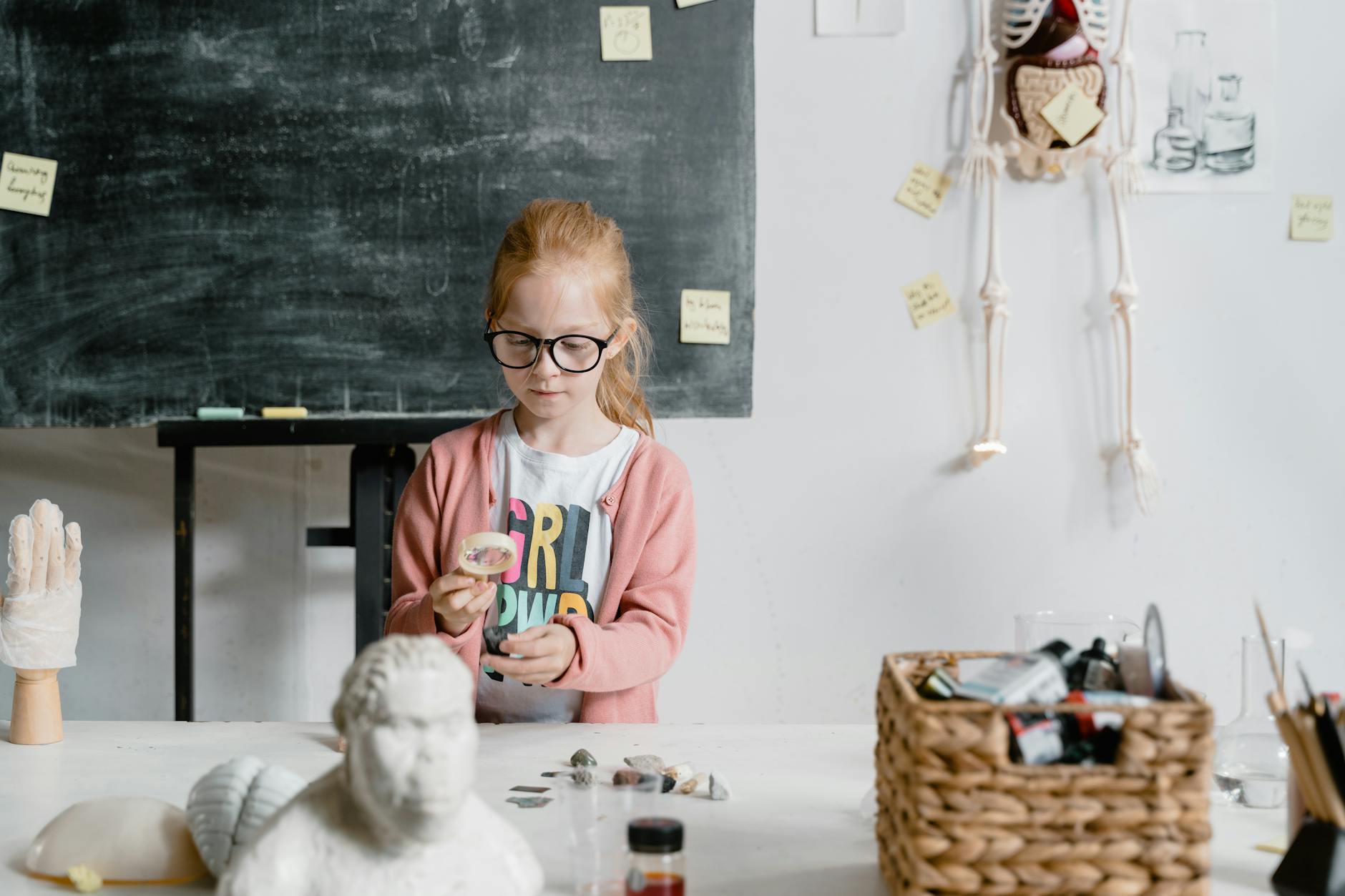
Inject creativity into traditional subjects by adopting techniques that embrace exploration. Incorporate elements like storytelling or art to interpret scientific concepts. For example, use creative props found in gifts for mum to demonstrate chemical reactions in a memorable way. Introducing captivating, relatable tools can break the monotony of theoretical learning, thus capturing students’ attention and imagination.
Fostering Critical Thinking
Critical thinking thrives in an environment that challenges students to question and understand the world around them. Consider activities that require problem-solving and abstract thinking. Whether through debates or role-playing, encouraging pupils to explore perspectives enhances their analytical skills. The physical engagement found in outdoor learning experiences reinforces critical thinking, allowing students to draw connections between classroom content and the real world.
Integrating these elements into your teaching toolkit transforms the classroom into a hub of creativity and innovation, inspiring students to explore beyond conventional boundaries.
Notable Australian Experiences
Interactive Science Exhibits
When it comes to sparking curiosity and enthusiasm in students, few activities rival the impact of an interactive science exhibit. At the Queensland Museum in Brisbane, students can explore hands-on displays that bring science to life. Immersive demonstrations present scientific concepts in a tangible way, fostering an environment where curiosity thrives. Such experiences provide visual and practical understanding, enriching the textbook knowledge learners acquire in traditional classrooms.
Art and Craft Workshops
For a unique blend of creativity and education, introducing art and craft workshops is invaluable. Encouraging students to participate in a paint and sip session can be an excellent medium to explore artistic expression. These workshops not only enrich students' creativity but also foster teamwork and improve fine motor skills. They fall perfectly into the realm of potential presents for mum from enthusiastic young artists, turning a school task into a memorable, heartfelt gift.
Culinary Arts Classes
Brisbane offers a variety of culinary arts classes that can ignite interest in gastronomy among students. Incorporating cooking into the curriculum can provide students with life skills they will carry beyond school. In such classes, they can experiment with diverse ingredients and learn about nutrition and cultural diversity. Culinary classes also present exciting opportunities for date ideas within the school community, enabling social bonding while promoting healthy eating habits.
Integrating Experiences in Education
Aligning with Curriculum
Infusing hands-on learning experiences into your chemistry curriculum can provide an invigorating blend of education and creativity. Exploring activities like a paint and sip Brisbane session may be used to teach your students about colour theory and chemical compositions in a fun, engaging manner. The activity can be aligned with lessons about the chemistry of pigments and solubility, seamlessly integrating standard classroom lessons with an entertaining experience. This fresh approach not only adheres to state educational standards but also enriches the learning process by connecting theory with real-world examples.
Planning and Execution Tips
To smoothly incorporate experiential activities, planning is key. Start by identifying suitable activities that tie into your curriculum themes, such as visiting the Queensland Museum for its interactive science exhibits. Collaborate with colleagues to generate ideas, using platforms like online educational forums. Secure a spot with enough space and set a date well in advance to avoid conflicts. Involving students in the planning stages can also boost their engagement, as they'll have a say in the experiences they find most appealing.
Measuring Student Outcomes
Assessing the educational impact of experiential activities is crucial for ensuring their effectiveness. Consider using rubrics and criteria related to the learning goals outlined before the experience. This could include evaluating student projects inspired by Sydney experiences, comparing pre-and post-activity assessments, or collecting feedback on their engagement levels and newfound insights. These measures not only provide tangible evidence of learning outcomes but also offer a platform to reflect on and adapt future experiential learning events.
Challenges and Solutions
Overcoming Budget Constraints
Navigating budgetary limitations requires ingenuity, much like a well-planned chemistry experiment. Harness the power of community collaboration to secure free or low-cost experiences Sydney, as they often provide rich educational content without dipping into school funds. Additionally, explore opportunities that cater to group activities, such as local cooking classes that can double as educational outings and team-building exercises. Leveraging these options can bring significant savings and an engaging learning experience for students.
Dealing with Bureaucracy
Fostering meaningful educational experiences often means manoeuvring through layers of bureaucracy, akin to titrating a perfect solution. The key is preparation and clear communication. Develop a precise and persuasive proposal that aligns hands-on learning activities with curricular goals to gain administrative support. Highlighting how these experiences equip students with critical skills may help in securing the necessary approvals.
Managing Logistics
Managing logistics for extracurricular activities can sometimes feel like balancing a chemical equation. Streamline your planning by creating a detailed timeline for classroom excursions: from arranging transport to coordinating student groupings. Platforms that specialise in educational tours can offer logistical support, providing everything from expert guides to logistical frameworks, all of which make organisation more seamless.
Thinking creatively and leveraging a variety of community resources can help deliver rich educational experiences despite these challenges. Balancing these elements is vital for any educator looking to inspire their students through engaging and innovative learning.
Effective Ways to Utilise Community Resources
Tapping into Local Treasures
Brisbane is a veritable treasure trove of educational opportunities, ripe for partnerships that can immensely enrich your science curriculum. Consider how the Queensland Museum can serve as a dynamic extension of your classroom with its free sample templates for designing interactive museum visits. Imagine your students' excitement as they connect classroom theories to real-world exhibits! Additionally, South Bank Parklands offers tranquil spaces perfect for biology field studies or outdoor physics experiments. Underutilised jewel, the Brisbane Powerhouse can host engaging STEM workshops that pivot from textbook to touchstone, helping to cement knowledge in hands-on, memorable ways.
Collaborating with Local Experts
Brisbane is bustling with experts eager to share their knowledge with young minds. Consider inviting a resident chemist from a nearby university or a practicing engineer to conduct live demonstrations, perhaps even incorporating a tutorial on how to make stencils for creating vivid periodic table murals. It’s an interactive way to bridge chemistry with art, fostering an appreciation for interdisciplinary learning and sparking interest in diverse future careers. By acting as a catalyst for these collaborations, you’re not only boosting academic engagement but also actively nurturing a culture of local community involvement.
Valuing Student Feedback
After integrating these extraordinary experiences, remember to gather and reflect on student feedback. Utilize surveys or discussion sessions to gauge their responses, focusing on how these experiences enhance understanding and spark interest. Perhaps they'd love to embark on an excursion to design their own personalised hay room. This feedback isn't just invaluable in planning future activities, it also empowers students, making them active participants in their own learning journeys.